
Managing your quarterly tax obligations often feels like a constant threat to your small business liquidity. You need a structured approach to estimated payments that keeps your daily operations fully funded and secure. Implementing proactive tax strategies allows you to meet strict regulatory requirements while maintaining healthy cash flow for unexpected expenses. Discover effective quarterly tax planning methods that protect your working capital and provide lasting financial confidence throughout the entire year. Explore these practical steps to build a more resilient financial foundation for your growing enterprise.

-
Smart Ways to Manage Quarterly Taxes Without Draining Your Cash
-
Are Costly Business Structure Mistakes Draining Your Cash Flow?

Your choice of small business structure directly dictates your baseline tax liability and overall financial health. You can protect your hard-earned revenue by carefully evaluating your current corporate classification. Effective corporate tax planning allows you to identify hidden inefficiencies draining your daily cash flow. You will discover exactly how a strategic approach to your business entity tax obligations can secure your long-term financial resilience.
-
Are You Overlooking These Hidden Estate Tax Planning Benefits?

You dedicate your life to building your family wealth and want to protect it for future generations. Effective estate tax planning provides a secure foundation for long-term wealth preservation. By integrating professional trust tax services into your strategy, you can minimize unexpected liabilities. This proactive approach ensures a smooth transfer of your hard-earned assets. Discover how strategic financial stewardship protects your legacy and provides lasting peace of mind for your loved ones.
-
Practical Ways to Reduce Tax Stress for Small Business Owners

If you are a small business owner, tax season does not have to be overwhelming. By focusing on tax planning for small business and adopting proactive accounting habits, you can reduce tax stress and keep your financial records in order throughout the year. With the right strategies and support, you will be prepared for key deadlines and avoid unexpected tax issues. Discover how a professional approach can simplify your tax process and give you greater peace of mind.
-
How to Streamline Bookkeeping for Lasting Small Business Success

Are you looking for ways to simplify your small business bookkeeping and reduce financial stress? Discover proven bookkeeping tips that can help you establish efficient recordkeeping habits, allowing you to focus more on growing your business and less on managing paperwork. By streamlining your bookkeeping process, you’ll gain clearer financial insights, make informed decisions, and ensure your business stays compliant. Learn how adopting the right strategies today can set the foundation for lasting business success and peace of mind.
-
How to Build Financial Resilience for Your Small Business

Strengthening your small business against economic uncertainty requires more than just careful budgeting—it demands true financial resilience. In this post, you’ll discover actionable strategies for integrating small business accounting with proactive tax planning, helping you prepare for unexpected challenges and minimize risk. By focusing on robust financial systems and forward-thinking tax strategies, you can safeguard your company’s future and promote long-term stability. Learn how a hands-on, integrated approach can empower you to navigate market shifts with confidence and keep your business thriving.
-
How to Simplify Year-Round Tax Planning for Your Small Business

Effective tax planning for small business owners doesn’t have to be overwhelming or reserved for the end of the fiscal year. By adopting year-round tax strategies, you can proactively minimize tax liability, reduce financial stress, and ensure your business stays financially healthy. This blog post guides you through practical steps to integrate tax planning into your regular business routine, making it a seamless part of your operations. Discover how consistent, proactive planning empowers you to make informed decisions and keeps your finances on track, so you can focus on growing your business with confidence.
-
5 Costly Tax Mistakes Small Businesses Make—and How to Avoid Them

Are you confident that your business is steering clear of the most common small business tax mistakes? Many owners, even the most experienced, overlook critical details that can lead to costly IRS penalties and unnecessary financial stress. This article highlights the tax compliance tips you need to safeguard your company’s finances, from accurate record-keeping to proactive planning. Discover how you can avoid IRS penalties and ensure your business remains compliant, resilient, and positioned for long-term success.
-
How Smart Bookkeeping Can Boost Your Small Business Cash Flow

Unlock the full potential of your business by mastering small business bookkeeping and effective cash flow management. With the right accounting tips, you can keep your financial records organized and gain a clear view of your company’s financial health. Smart bookkeeping not only helps you avoid unexpected expenses but also empowers you to make confident, data-driven decisions throughout the year. Discover how a proactive approach to your books can lead to steadier cash flow, fewer surprises, and greater peace of mind as you grow your business.
-
How to Prepare for a Small Business Audit: Practical Steps for Success

Are you concerned about an upcoming small business audit? Proper audit preparation is key to ensuring business compliance and minimizing stress throughout the process. In this post, you'll discover actionable steps to get your records, documentation, and procedures in order, so you can approach your next audit with confidence. Learn how to streamline your audit readiness and safeguard your business’s financial integrity.
-
Choosing the Right CPA Firm: What Pittsburgh Area Businesses Should Consider

Choosing the right CPA firm in Pittsburgh is a pivotal step for your business’s financial success. With numerous firms offering accounting services in Pittsburgh and the surrounding Pennsylvania areas, it’s essential to know how to choose a CPA who truly understands your industry and unique needs. This post guides you through key CPA firm selection tips, from evaluating local expertise to assessing the range of business accounting and advisory services available. Whether you’re based in Monroeville, Oakmont, or Murrysville, you’ll gain practical insights to help you make an informed decision for your company’s future.
-
How Professional Accounting Services Support Business Decision-Making

Unlock the potential of your business with professional accounting services that provide the financial insights you need for effective business decision-making. By partnering with a reputable CPA firm in Pittsburgh, you gain access to expert guidance on cash flow management and accurate financial data, empowering you to make strategic choices with confidence. Discover how tailored accounting solutions can help you identify trends, optimize operations, and plan for long-term success. Learn why having a trusted advisor by your side is essential for navigating today’s complex business environment.
-
Navigating Changes in Accounting Standards: What Businesses Need to Know

The landscape of accounting standards is ever-evolving, with continuous updates and modifications that can significantly impact businesses. In this blog post, we will delve into the intricacies of navigating changes in accounting standards and explore what businesses need to know to stay ahead in this dynamic environment.
-
Tax Deductions Every Small Business Owner Should Know

Tax season can be a daunting time for small business owners, but with the right knowledge, it can also be an opportunity to maximize savings. As a small business owner, understanding the ins and outs of tax deductions is crucial for optimizing financial outcomes. In this comprehensive guide, we will delve into the key tax deductions that every small business owner should be aware of, providing insights and strategies to help you navigate the complexities of the tax code.
-
Emerging Trends in Accounting: A Look into the Future
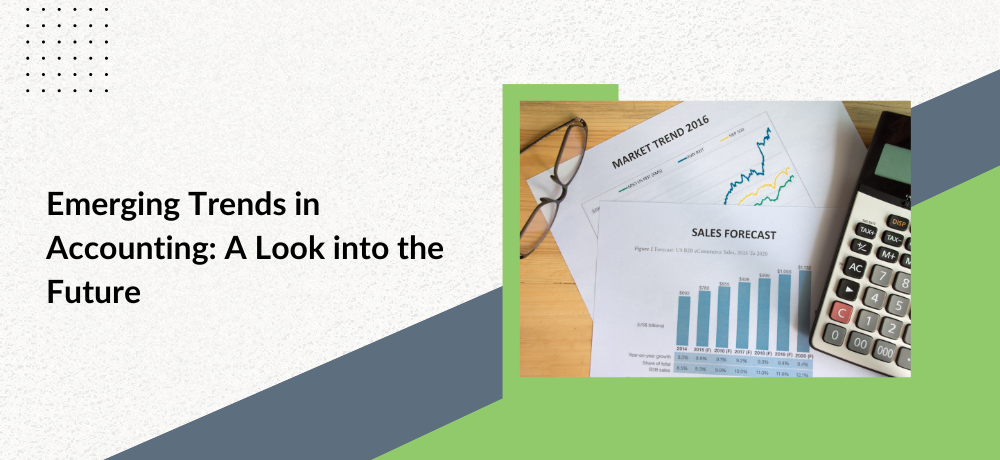
In the fast-evolving landscape of accounting, staying ahead of the curve is not just an advantage; it's a necessity. As we step into the future, the accounting industry is undergoing a transformation driven by technological advancements, changing regulations, and shifting client expectations. In this blog, we will delve into the emerging trends in accounting that professionals and businesses need to embrace to thrive in the years to come.
-
Payroll for Small Businesses: Challenges and Solutions
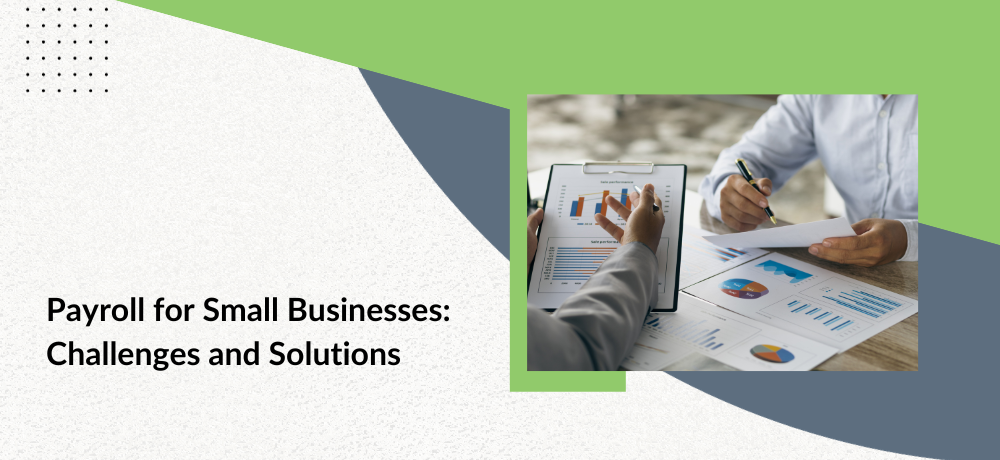
As a small business owner, I know firsthand the complexities that come with managing finances. One area that often presents a unique set of challenges is payroll. Whether you're just starting your venture or looking for ways to streamline your payroll processes, this blog will guide you through the challenges you might face and offer practical solutions to ensure smooth payroll management for your small business.
-
Understanding the New Tax Law: Business Entertainment Expenses and Meal Deductions Explained
Dear Client:
Many businesses consider the occasional wining and dining of customers and clients just to stay in touch with them to be a necessary cost of doing business. The same goes for taking business associates or even employees out to lunch once in a while after an especially tough assignment has been completed successfully. It is easy to think of these entertainment costs as deductible business expenses. However, due to a recent change in the tax law, many of those expenses may not be deductible.
-
Corporate Transparency Act — Beneficial Ownership Information Reporting Requirement
Starting January 1, 2024, a significant number of businesses will be required to comply with the Corporate Transparency Act (“CTA). The CTA was enacted into law as part of the National Defense Act for Fiscal Year 2021. The CTA requires the disclosure of the beneficial ownership information (otherwise known as “BOI”) of certain entities from people who own or control a company.
-
2023 Tax Planning: Home Office Deduction
Taxpayers who use their home for business may be eligible to claim a home office deduction. It allows qualifying taxpayers to deduct certain home expenses on their tax return. This can reduce the amount of the taxpayer’s taxable income. Here are some things to help taxpayers understand the home office deduction and whether they can claim it:
-
Sustainable Business Practices and Financial Reporting Through Accounting Services
In today's rapidly changing business landscape, sustainability isn't just a buzzword—it's a critical component of long-term success. As a business owner, you're likely already aware of the importance of sustainable practices for the planet and your bottom line. But how can you effectively integrate sustainable business practices and ensure accurate financial reporting? That's where our accounting services come into play. In this blog, I'll explore how Findon & Associates, a trusted CPA firm in Pittsburgh, Pennsylvania, can help you achieve sustainable financial success through expert financial reporting and accounting services.


